

In an age dominated by digital noise, our attention is constantly fragmented, and our minds are crowded by screens. Are you longing for a meaningful reason to put down your phone, step outside, and find a sanctuary of mental clarity in the living world?
Welcome to the world of birdwatching. Far from being a tedious hobby reserved for ornithologists or retirees, birding is a dynamic meditation open to everyone. You do not need to memorize a field guide before you set out, nor do you need to travel to remote wildernesses. All that is required is a quiet curiosity and a willingness to look up. Your story begins right where you are.

1. Breaking the Myth: You Don’t Need to Be an Expert to Begin
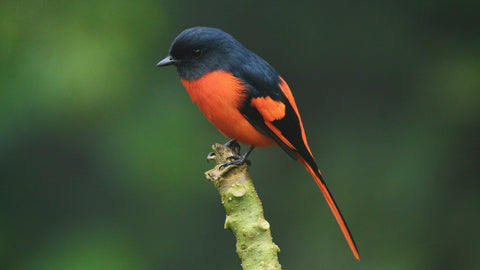
Many beginners hesitate to take their first step, feeling overwhelmed because they cannot name the birds singing in their own backyards. Yet, the truest beauty of birdwatching lies in its uncertainty. Every flash of plumage captured through the trees is a moment of pure discovery.
At its core, birding is about awakening our sense of wonder. When you pause to notice how a bird preens its feathers, how it forages, or how it answers a call from across the canopy, the frantic rush of modern life begins to dissolve. True discovery begins when the mind settles.

2. The Mindful Beginner’s Gear Guide
As a newcomer, rushing to purchase expensive, high-end equipment can create unnecessary pressure. To start your journey, you genuinely only need two things:
-
- An Attuned Mind: Slow your pace and begin to tune into the subtle soundscapes and micro-movements around you that usually pass unnoticed.
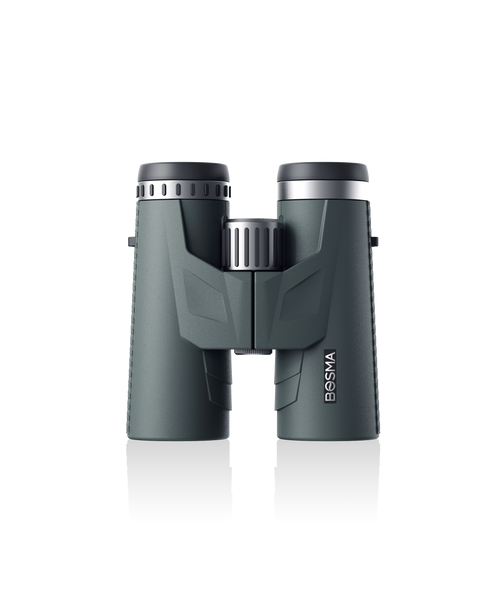
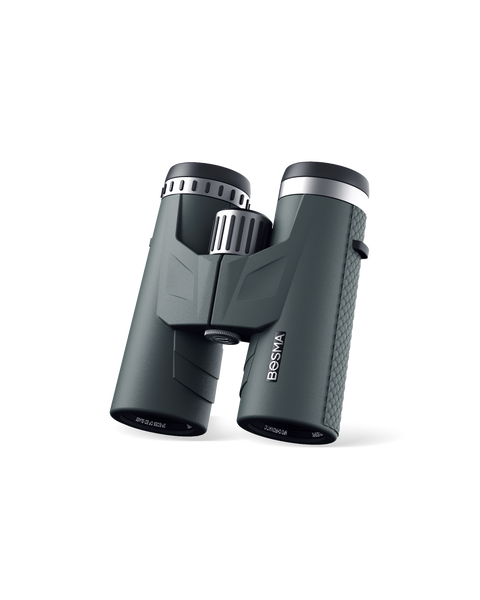
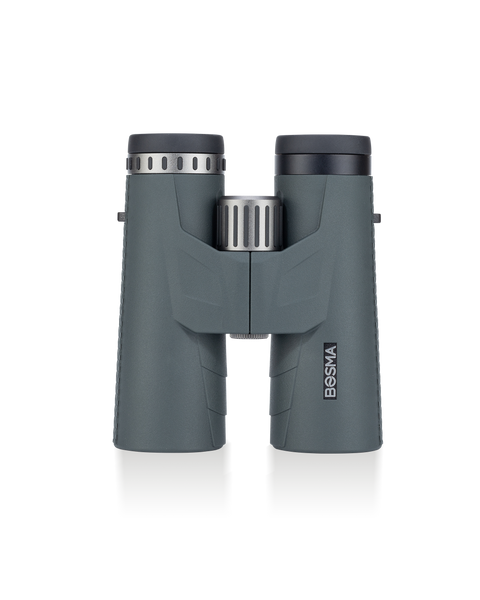
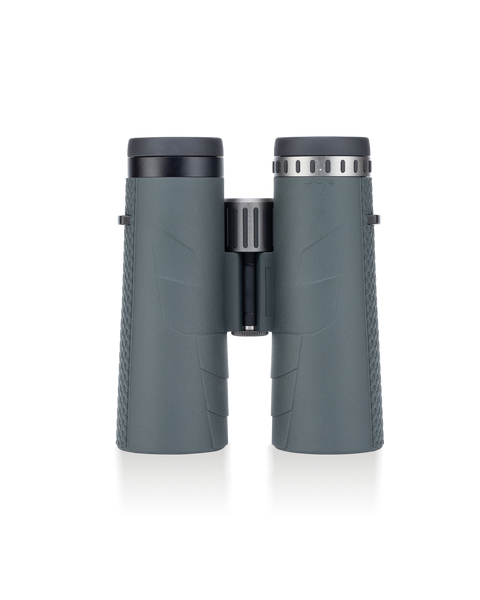
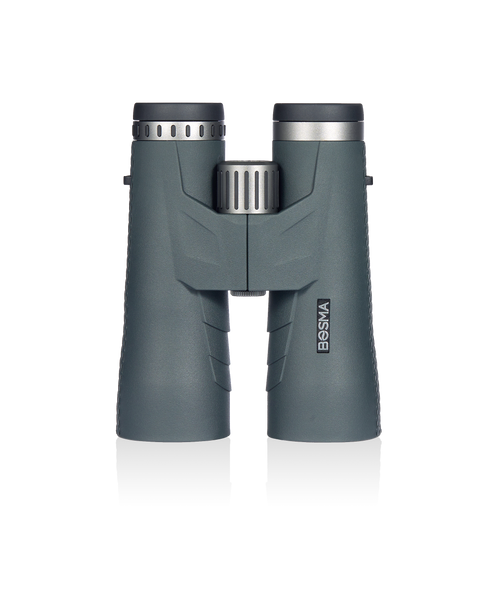
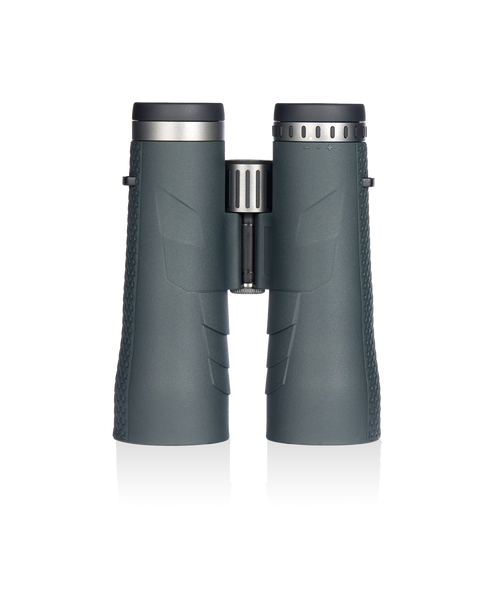
- A Reliable Pair of Entry-Level Binoculars: This is your passport to the wild. A beginner’s optic does not need to be a rare luxury, but it must be dependable, lightweight, and deliver crisp visual clarity. It has the power to transform a distant, ambiguous dark spot into a vivid portrait of wildlife, rendering every detail of flight and color in life-like fidelity.

3. Your First Field Session: A Simple Three-Step Practice
To ensure your first outing is both relaxing and rewarding, try this minimalist three-step approach:
-
- Find Your "Comfort Zone": Do not seek out deep wilderness immediately. Local city parks, community green spaces, or even your own balcony are perfect starting points. Look for water sources—such as ponds or small creeks—and mature trees, as they are natural hubs for wildlife.
- Time Your Outing: Early mornings (within two hours after sunrise) and late afternoons are the "rush hours" of the avian world. This is when birds are most active, their songs are richest, and they are easiest to observe.
- Practice Stillness: Find a spot under a tree, sit down, or stand quietly. Resist the urge to chase the birds; instead, give nature a five-minute "noise-reduction period." As you settle into stillness, the life hidden deep within the foliage will gradually let down its guard and reveal itself to your gaze.









Comments (0)
Leave a comment Leave a commentWrite comment