

In the field, binoculars are not just an external tool; they are a seamless extension of your eyes. Many enthusiasts possess optics with exceptional specifications, yet in fast-moving environments, they miss fleeting moments due to imperfect handling. Mastering the fine art of fine-tuning your glass is the first true step toward advanced observation.

1. Diopter Adjustment: The Hidden Switch to Eradicate Visual Fatigue
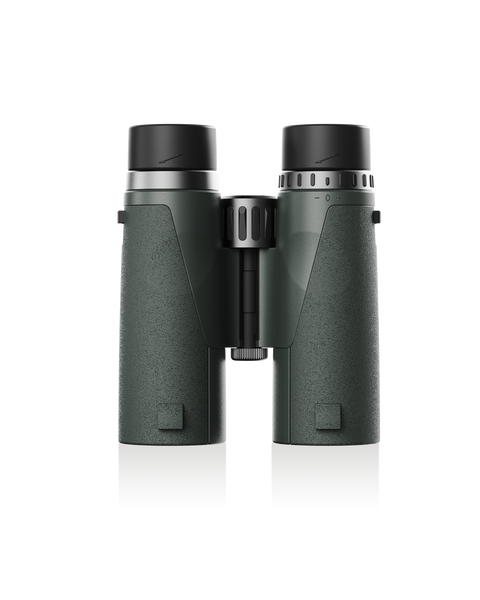
Most people have slight differences in vision between their left and right eyes. If you experience eye strain after an extended session in the field, or if your image always carries a ghost of a blur, the culprit is usually the diopter adjustment ring (typically located beneath the right eyepiece).
-
- How to Calibrate Correctly:
Close your right eye and use the central focus wheel to sharpen a static target—like a distinctive branch—a hundred meters away through your left eye. Once crisp, close your left eye and open your right. Without touching the central focus wheel, rotate only the right diopter ring until the image becomes razor-sharp for your right eye. Your optics are now perfectly paired to your unique vision.

2. The Mechanics of Twist-Up Eyecups
This is one of the most common field missteps. Eyecups exist for a singular purpose: to position your pupils precisely at the optic's correct eye relief.
-
-
Non-Eyeglass Wearers:
Always twist the eyecups fully out (extended). This blocks stray peripheral light and prevents your eyelashes from touching the glass and leaving oil smudges. -
Eyeglass Wearers:
Always keep the eyecups twisted fully in (retracted). Since your eyeglasses already create a distance between your eyes and the lens, retracting the cups ensures you retain a complete, unvignetted panoramic view.
-
Non-Eyeglass Wearers:

3. Managing Backlight and Glare in the Field
Dawn and dusk offer golden hours for birding, but they also bring low-angle backlighting that tests the limits of any optical system. When forced to observe directly against the light, try cupping your hand over the objective lenses to form a temporary lens hood. While a professional optical system utilizes advanced multi-coatings to suppress internal ghosting, physically restricting stray light instantly restores color saturation and shadow detail in high-contrast scenes.







Comments (0)
Leave a comment Leave a commentWrite comment