

The most captivating element of the natural world is its ceaseless rhythm. Birds are the most faithful messengers of the seasons. For the advanced enthusiast, reading the turning of the calendar means unlocking the great chronicle of species turnover in the field.

1. Spring: Hormones and the Breeding Symphony
-
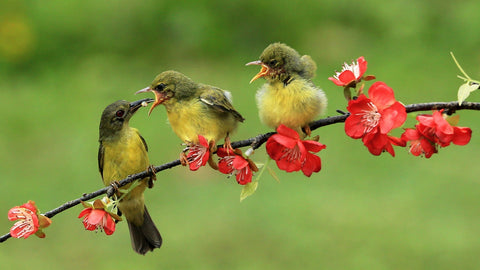
- Ecological Behavior: Spring is defined by courtship and nesting. Male birds molt into their most brilliant breeding plumages and occupy prominent perches, singing tirelessly to defend territories and attract mates.
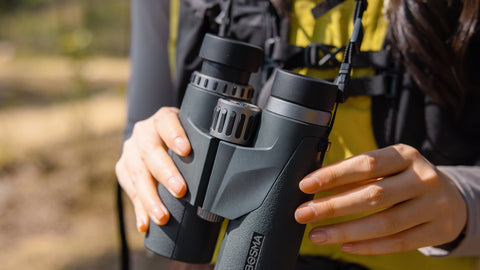
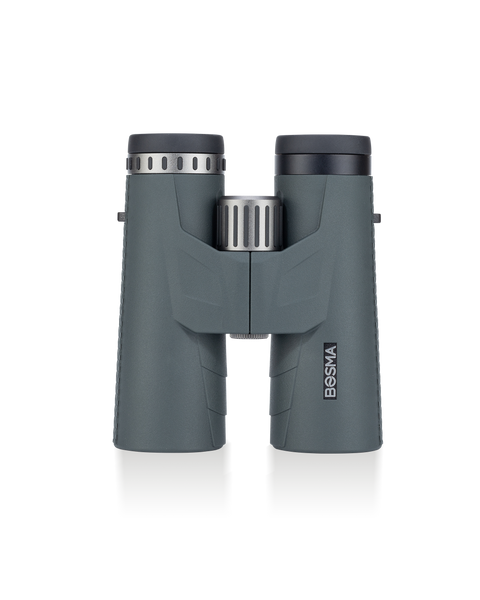
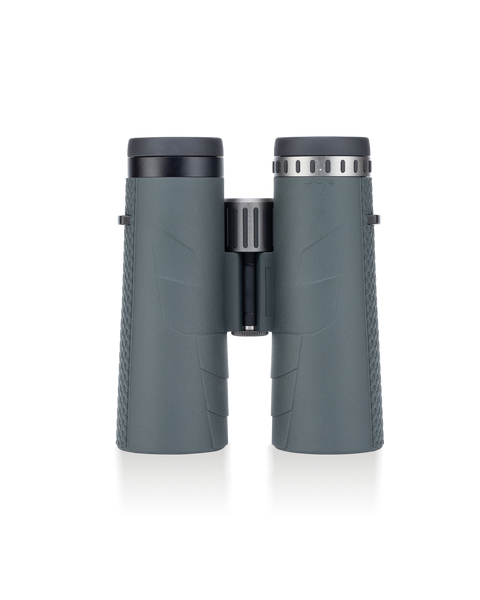
- Field Strategy: This is the premium window for woodland birding. Because trees are just beginning to bud and the canopy is not yet dense, combined with high vocal activity, it offers an exceptional window to capture crisp details through high-fidelity glass. However, maintaining an ethical distance is paramount; never disrupt their courtship or nesting routines.

2. Fall: The Epic Migration and the "Fall Warbler" Challenge
-
- Ecological Behavior: Hundreds of millions of migratory birds begin their southward journeys across borders. Wetlands, estuaries, mudflats, and ridgelines (which raptors use as thermal highways) become bustling, high-density stopovers.
- Field Strategy: Autumn birding is famous for the "confusing fall warbler" puzzle. Post-breeding, many adults molt into drab basic (winter) plumages, and an influx of newly fledged juveniles joins the migration, making identification notoriously challenging. Shift your focus away from bright colors and look closer at structural dimensions, bill shapes, and foraging behaviors to test and sharpen your diagnostic skills.

3. The Counter-Aesthetics of Summer and Winter
-
- Summer (The Quiet Shade): As nesting transitions to brooding, the woods fall quiet and secretive. This is the time to head to higher altitudes for montane specialties, or visit evening wetlands to witness herons and egrets returning to communal roosts at twilight.
- Winter (The Great Aggregations): While the bare trees look stark, open waters come alive. Waterfowl, geese, and swans arriving from the far north gather in massive numbers on unfrozen lakes. With foliage out of the way, visibility is entirely unobstructed and movements are slow. It is the perfect season to set up a spotting scope by the water's edge, sit quietly, and immerse yourself in a raw, unhurried session of winter mindfulness.











Comments (0)
Leave a comment Leave a commentWrite comment